
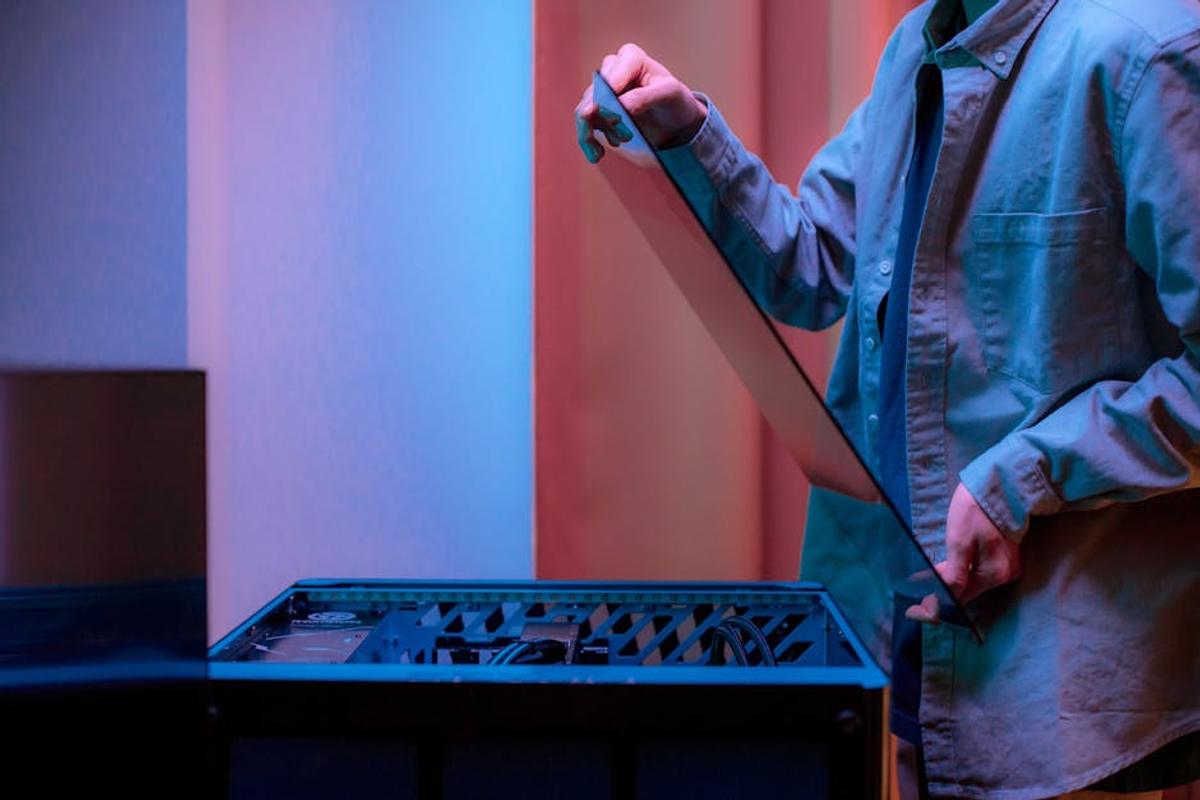
How to Build a Custom PC for Beginners
you’re ready to ditch the pre-built and dive into the exciting world of custom PC building, So? How to build a custom PC for beginners is easier than you think! making it perfect for first-timers, This guide breaks down the process into manageable steps. That’s the gist. Let’s get started!.
A tiny note that matters more than it sounds: instrumentation. With data, debates end faster.
Choosing Your PC Components: The Heart of Your Rig
Picking the right parts is key. Think of it like choosing the perfect ingredients for a delicious meal – you need the right balance! Start with the CPU (the brain), then the GPU (graphics card for gaming or creative work), motherboard (connects everything), RAM (memory), and storage (SSD or HDD). That’s the gist. Websites like PCPartPicker can help you find compatible parts and check prices..
You’ll see the same thing in public threads: an idea lands, rough edges appear, then a practical fix ships.
Assembling Your Custom PC: A Step-by-Step Guide
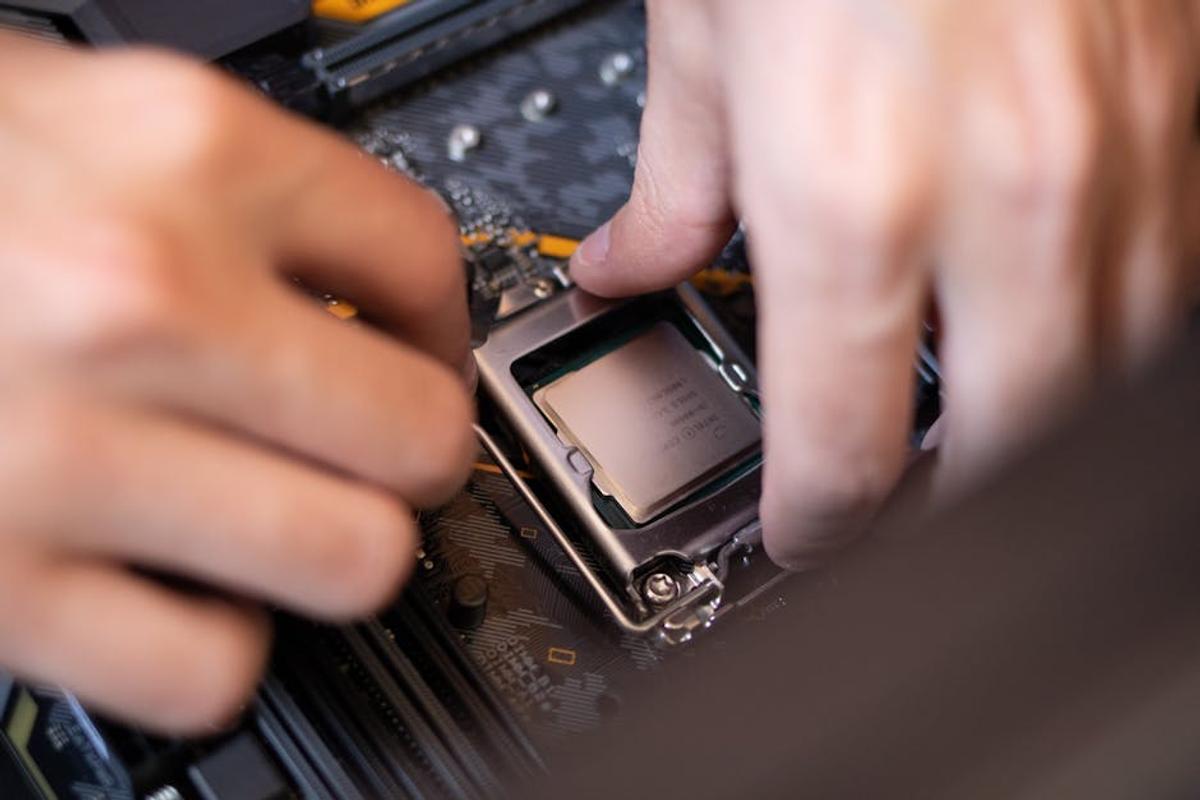
How to build a custom PC for beginners involves a methodical approach. First, prepare your workspace – a large, clean table is ideal. Then, install the CPU and cooler onto the motherboard. That’s the gist. Next, mount the motherboard into the case. After that, install the RAM, GPU, and storage devices. Finally, connect the power supply and peripherals. That’s the gist. Don’t forget to check all your connections carefully!.
In real use, people building How to build a custom PC for beginners often mention small trade‑offs that only show up once traffic hits.
Installing the Operating System (OS): Bringing Your PC to Life
With the hardware assembled, it’s time for the software! Download a Windows or Linux ISO file (you’ll need a USB drive). Then, boot from the USB drive and follow the on-screen instructions. That’s the gist. You’ll need a product key for Windows. Once installed, install drivers for all your hardware. This step might take 30–60 minutes, depending on your internet speed.. That’s the gist.
Most teams eventually learn the same rule — simpler beats clever at 3 a.m. when something breaks.
Troubleshooting Common Issues: Don’t Panic!
Building a PC isn’t always smooth sailing. Expect a few bumps along the way! Common problems include not seating components correctly, improper power connections, or driver issues. That’s the gist. Online resources and forums are your best friends here – you’ll find solutions to almost any problem. Remember, taking your time is key. Don’t rush!. That’s the gist.
A tiny note that matters more than it sounds: instrumentation. With data, debates end faster.
How to Build a Custom PC for Beginners: Final Touches and Optimization
Once everything is up and running, take a moment to admire your handiwork! This is where the fun really begins. You can personalize your PC with custom lighting, cable management, and even a cool case. That’s the gist. There are tons of tutorials online to help you optimize your PC for gaming or other tasks. Building a custom PC is a very satisfying experience..
You’ll see the same thing in public threads: an idea lands, rough edges appear, then a practical fix ships.
Beyond the Basics: Expanding Your PC Knowledge
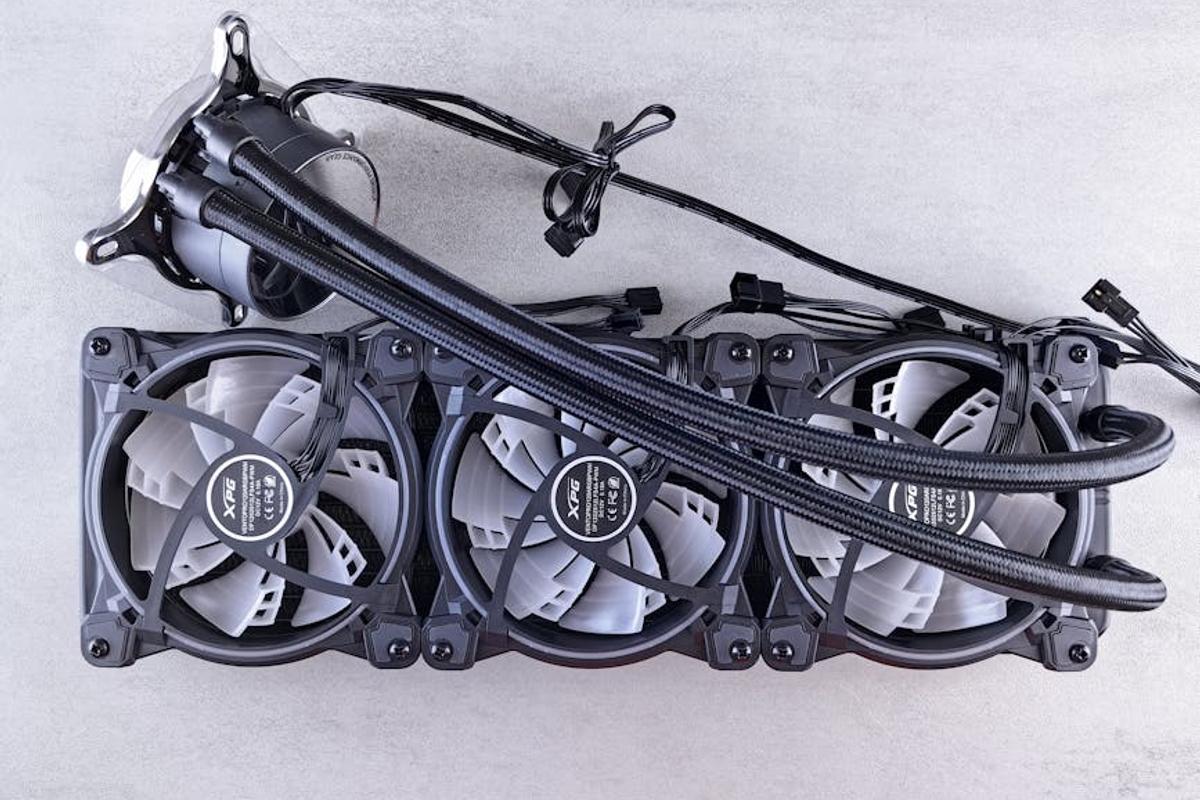
the world of upgrades and customization opens up, After you’ve built your first PC! You can learn about overclocking (boosting performance), water cooling (for advanced cooling), and other advanced techniques. Building your own PC is a journey – enjoy the ride!. That’s the gist.
In real use, people building How to build a custom PC for beginners often mention small trade‑offs that only show up once traffic hits.
Field Notes
- Benchmarks rarely tell the whole story; real traffic patterns do.
- Trade‑offs shift over time — today’s bottleneck might vanish after one refactor.
- Docs that include failure modes save more time than perfect diagrams.
- Small utilities around How to build a custom PC for beginners often shape workflows more than flagship features.
FAQ
What are the essential components for a beginner-friendly custom PC build?
The most essential components are a CPU, GPU, motherboard, RAM, storage (SSD or HDD), and a power supply. You’ll also need a case to house everything.
How do I ensure my chosen components are compatible?
Use a website like PCPartPicker. It will check for compatibility issues between different components, ensuring everything works together seamlessly.
What’s the best way to avoid common mistakes during assembly?
Take your time! Watch plenty of video tutorials beforehand. Double-check each connection before moving on. If you encounter problems, refer to online forums and guides.
What should I do if my custom PC doesn’t boot up?
First, visually inspect all connections to make sure everything is plugged in correctly. Check if your power supply is functioning properly. If the issue persists, search online forums for similar problems.


Leave a Reply