

Silence the Noise: Your Guide to Choosing the Best Noise-Cancelling Headphones
Let’s be real, the world is noisy. Between bustling city streets, chatty coworkers, and screaming toddlers (guilty!), finding some peace and quiet can feel like a luxury. That’s where noise-cancelling headphones come in. But with so many options out there, how do you choose the best ones for you?
Don’t worry, I’ve got you covered. This ultimate guide will walk you through everything you need to know to find your perfect pair of noise-cancelling bliss.
1. Over-Ear vs. In-Ear: The Great Debate
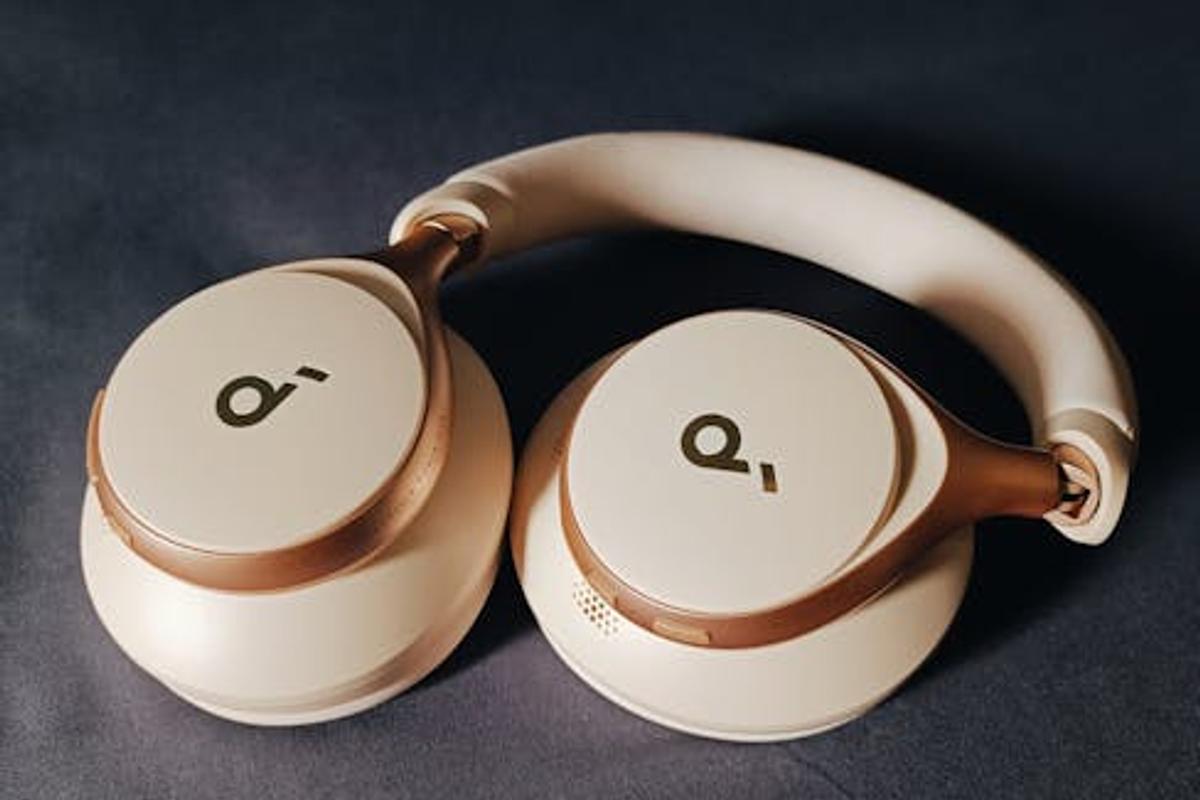
First things first: what type of headphone are you after? Over-ear headphones completely envelop your ears, offering superior noise cancellation and comfort for longer listening sessions. Think comfy clouds for your ears.
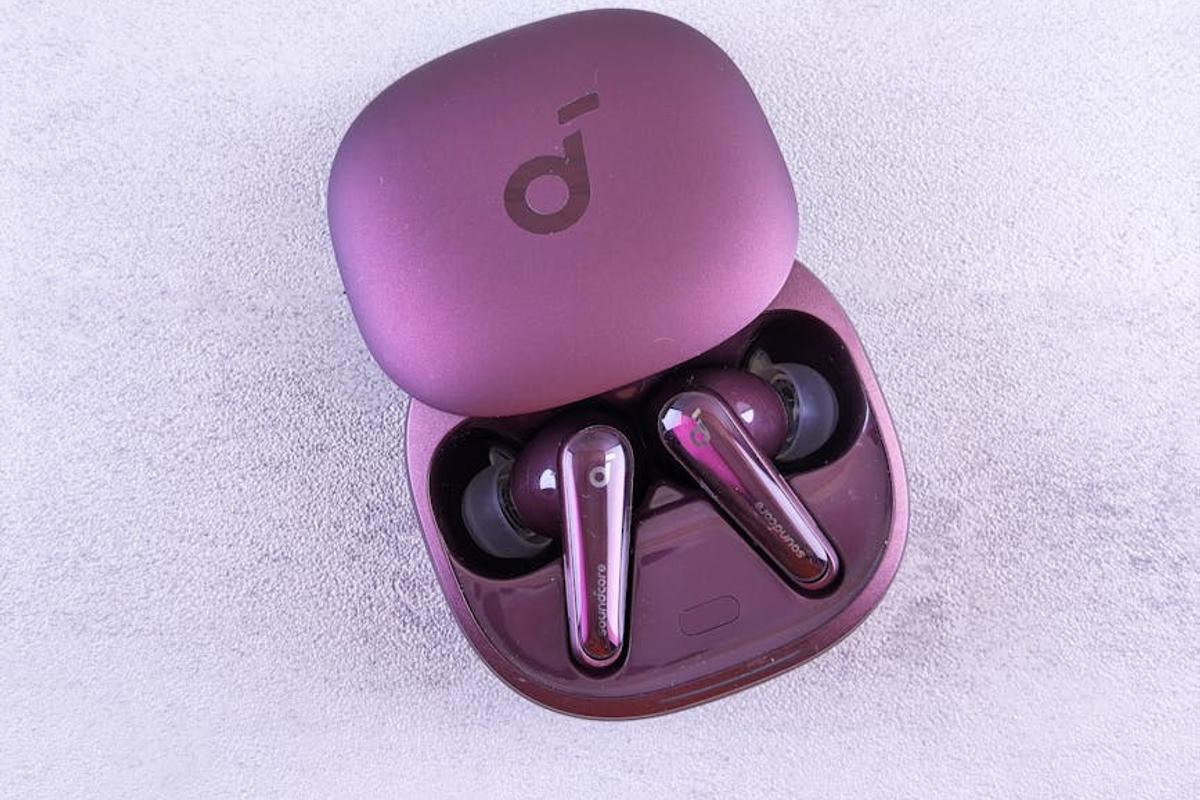
In-ear (or earbuds) headphones are more portable and discreet. They’re great for on-the-go listening, but the noise cancellation isn’t as effective as over-ear options. They might also be less comfortable for extended use.
Which should you choose? It really depends on your priorities. Need maximum noise cancellation and comfort? Go over-ear. Need portability and don’t mind slightly less noise reduction? In-ear is your friend.
2. Noise Cancellation Technology: Beyond the Hype
Not all noise cancellation is created equal. Some headphones boast impressive noise reduction, while others… well, not so much. Here’s what to look for:
- Active Noise Cancellation (ANC): This is the gold standard. ANC uses microphones to detect ambient noise and then produces an inverse sound wave to cancel it out. Look for headphones that specifically mention ANC.
- Hybrid Noise Cancellation: Some high-end headphones combine ANC with passive noise isolation (physical blocking of sound). This creates an even more effective noise reduction experience.
- Transparency Mode: This is a lifesaver for those moments when you need to hear your surroundings, like crossing the street or chatting with someone. It temporarily disables noise cancellation, letting in ambient sounds.
3. Sound Quality: Beyond the Bass Boost
Let’s face it: good sound quality is essential. No one wants muffled music or tinny voices. Here are the key aspects to consider:
- Frequency Response: This refers to the range of audible frequencies the headphones can reproduce. A wider range generally translates to richer, more detailed sound.
- Drivers: These are the components that convert electrical signals into sound waves. Larger drivers often produce deeper bass and clearer highs.
- Impedance: This measures how much resistance the headphones have to the flow of electrical current. Lower impedance headphones are generally easier to drive and work better with mobile devices.
4. Comfort and Fit: All-Day Listening?
You’ll be spending hours with these things, so comfort is key. Over-ear headphones should have plush earcups and an adjustable headband. In-ear headphones should have various ear tip sizes for a secure and comfortable fit.
Consider the weight and materials. Lightweight headphones are easier to wear for extended periods. Look for breathable materials to prevent overheating and sweat buildup.
5. Battery Life: How Long Will the Magic Last?
Noise cancellation technology drains the battery faster than standard headphones. Look for headphones with a battery life that meets your needs. Anything over 20 hours is usually pretty good for over-ear options, while 8+ is solid for earbuds.
Think about how long you’ll be using them daily. Will you need to charge them every day or can you get away with charging them less frequently?
6. Features and Extras: The Bells and Whistles
Beyond the core features, consider these extras:
- Bluetooth Connectivity: Wireless is generally the preferred option, offering greater freedom of movement. Look for Bluetooth 5.0 or higher for better range and stability.
- Voice Assistant Integration: Many headphones integrate with Siri, Google Assistant, or Alexa, allowing for hands-free control.
- Water Resistance: This is especially important for outdoor use or workouts. Look for an IPX rating (the higher the number, the better the water resistance).
- Carrying Case: A protective carrying case is a must-have for on-the-go use.
7. Budget: How Much Are You Willing to Spend?
Noise-cancelling headphones range in price from affordable to ridiculously expensive. Set a realistic budget before you start shopping. Remember, the higher the price usually correlates with better sound quality and features. But sometimes, you can find awesome deals on perfectly decent mid-range options.
8. Read Reviews: Wisdom from the Crowd
Before making a purchase, always check online reviews from reputable sources. This will help you get a sense of the real-world performance of the headphones and identify any potential issues.
Find Your Perfect Sound Sanctuary
Choosing the best noise-cancelling headphones is a personal journey. Consider your needs, budget, and lifestyle, then use this guide to navigate the world of silent bliss. Happy listening!
Frequently Asked Questions
What’s the difference between active and passive noise cancellation?
Active noise cancellation (ANC) uses microphones to detect and counteract ambient noise, while passive noise cancellation relies on physical barriers to block sound.
How long does the battery typically last on noise-cancelling headphones?
Battery life varies greatly depending on the model, but you can generally expect over 20 hours for over-ear headphones and 8+ hours for in-ear options.
Are noise-cancelling headphones safe for my ears?
Noise-cancelling headphones are generally safe, but it’s important to listen at moderate volumes to avoid hearing damage. Listening at excessively high volumes can still damage your hearing even with noise cancellation.
What should I look for in terms of comfort?
Look for plush earcups (over-ear), comfortable ear tips (in-ear), adjustable headbands (over-ear), and lightweight materials.
Can I use noise-cancelling headphones for sleeping?
While some people find them helpful for blocking out disruptive noises, others find the pressure uncomfortable for sleeping. Experiment to see what works best for you.


Leave a Reply