

How to Set Up a Home Theater System From Scratch
you’re ready to ditch the tiny laptop speakers and build the home theater of your dreams, So? but it’s way easier than you think, Learning how to set up a home theater system from scratch might seem daunting. Let’s get started!. That’s the gist.
A tiny note that matters more than it sounds: instrumentation. With data, debates end faster.
Choosing Your Equipment: The Foundation of Your Setup
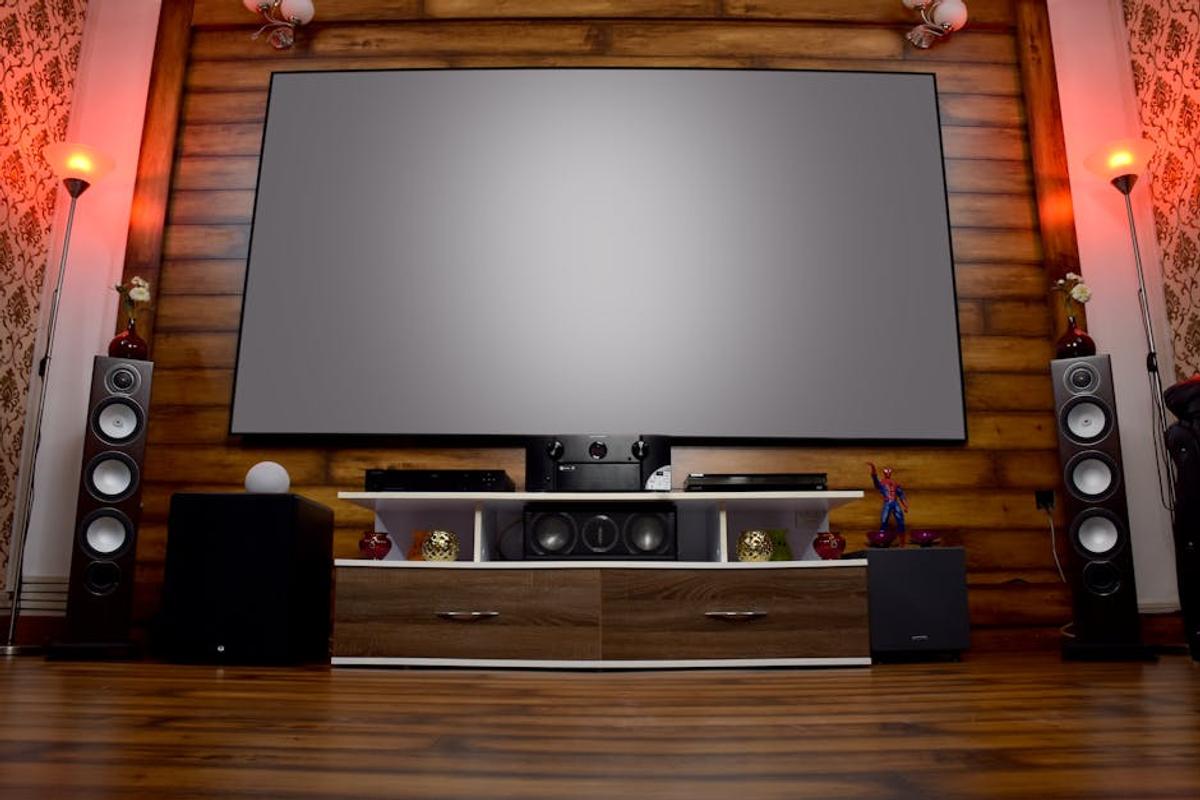
First things first: what kind of cinematic experience are you aiming for? immersive home cinema, A casual movie night setup will differ drastically from a full-blown. but it needs room, Consider your budget and space—a 75-inch screen might look killer! That’s the gist. Research different brands; reading reviews can help you find the perfect balance of quality and price. Think about speakers – do you want a 5.1 surround sound system or go bigger with 7.1? This decision will shape the rest of your setup.. That’s the gist.
You’ll see the same thing in public threads: an idea lands, rough edges appear, then a practical fix ships.
How to Set Up a Home Theater System From Scratch: Wiring and Connections
This is where things get a little more technical, but don’t panic! Start with your TV and connect it to your chosen source devices (Blu-ray player, game console, streaming box). Next, connect your audio receiver—this is the brains of your operation. That’s the gist. but checking your manuals is a good idea, Most receivers will have clearly labeled ports. be mindful of cable lengths and how to neatly hide them; you can easily spend a few hours on this step, If you’re running multiple speakers. Remember, a well-organized system will look sleek and professional.. That’s the gist.
In real use, people building How to set up a home theater system from scratch often mention small trade‑offs that only show up once traffic hits.
Speaker Placement: The Secret to Amazing Sound
Speaker placement significantly impacts the quality of your sound. For a 5.1 setup, this means five speakers (left, center, right, left surround, right surround) and a subwoofer. and positioning the others is a bit more nuanced: you want them to balance the soundscape effectively, The subwoofer ideally goes in a corner. That’s the gist. especially if you’re doing this from scratch, Online guides with diagrams can be really helpful here. Consider using a sound calibration tool (some receivers offer these features) to further optimize your audio environment..
Most teams eventually learn the same rule — simpler beats clever at 3 a.m. when something breaks.
Calibrating Your System: Fine-Tuning for Perfection
it’s time to fine-tune your home theater system, Once everything is connected and in place. Most modern AV receivers offer automated calibration tools; use them! These tools use a test tone to automatically adjust speaker levels and delays. That’s the gist. If your receiver lacks such a feature, consider using a professional sound calibration mic, that will give you a top notch experience. take some time to listen carefully and make minor adjustments as needed—personal preference plays a role here!, After calibration.
A tiny note that matters more than it sounds: instrumentation. With data, debates end faster.
Streaming and Entertainment: Getting Started
Finally, it’s time to put your new setup to the test! Pick your favorite movie or TV show, settle in, and enjoy the fruits of your labor. Depending on your preferences, you might want to explore various streaming services and adjust settings such as brightness, contrast, and sharpness. That’s the gist. You can even test out different soundscapes by changing the audio settings for a more personalized experience. Learning how to set up a home theater system from scratch involves understanding your personal preferences and customizing your system accordingly..
You’ll see the same thing in public threads: an idea lands, rough edges appear, then a practical fix ships.
Field Notes
- Benchmarks rarely tell the whole story; real traffic patterns do.
- Trade‑offs shift over time — today’s bottleneck might vanish after one refactor.
- Docs that include failure modes save more time than perfect diagrams.
- Small utilities around How to set up a home theater system from scratch often shape workflows more than flagship features.

FAQ
What’s the difference between a 5.1 and 7.1 surround sound system?
A 5.1 system uses five speakers and a subwoofer, providing immersive sound. A 7.1 system adds two more surround speakers for even more encompassing audio. The addition makes a noticeable difference to the overall soundscape.
How important is speaker placement?
Speaker placement dramatically affects the sound quality. Incorrect placement can lead to unbalanced sound, diminished surround effects, or an overall lackluster experience. Getting this right is crucial.
Do I need a separate audio receiver?
While you can use your TV’s built-in speakers, an AV receiver is highly recommended for a true home theater experience. It allows for better sound processing, external speaker management, and more advanced sound features.
What if I don’t understand the wiring?
Most AV receivers and components have clearly labeled connections. If you’re still unsure, consult the manuals for your devices or search for online tutorials. There are plenty of great videos to help you understand how to do this.
How can I get the best sound quality?
Beyond the equipment itself, proper speaker placement and system calibration are key. Using a sound calibration tool can help optimize your audio settings and improve the overall soundscape significantly.
What streaming services are compatible with a home theater system?
Nearly all streaming services are compatible! Netflix, Hulu, Disney+, Amazon Prime Video, and many others work flawlessly with home theater systems.


Leave a Reply