

The Ultimate Guide to Building a Custom PC for Beginners
Ready to ditch the pre-built PCs and build your dream machine? and it’s way easier than you think, This is The ultimate guide to building a custom PC for beginners! from choosing parts to actually putting it all together, We’ll walk you through each step. That’s the gist. Trust me, you’ll feel like a tech wizard by the end..
A tiny note that matters more than it sounds: instrumentation. With data, debates end faster.
Picking Your Parts: The Brain, Brawn, and Beauty
but it’s all about understanding what each part does, Choosing components can feel overwhelming. Think of it like building with LEGOs – you need the right pieces to create something awesome. and you’ll need RAM (the short-term memory) to run programs smoothly, Your CPU (the brain) needs a compatible motherboard (the connector). That’s the gist. and don’t forget about storage (your hard drive or SSD), A powerful graphics card (GPU) is a must for gamers or anyone working with visuals. It’s a good idea to research benchmarks and reviews before you buy to make sure everything is compatible..
You’ll see the same thing in public threads: an idea lands, rough edges appear, then a practical fix ships.
The Ultimate Guide to Building a Custom PC for Beginners: Assembly Time!
Okay, time to get your hands dirty (but seriously, don’t forget the anti-static wrist strap!). Start with the motherboard, carefully installing the CPU and RAM. Then, install your GPU and storage devices. That’s the gist. Remember to check your motherboard’s manual! It’s like a treasure map for your PC’s innards. Cable management is key – neat cables make for a cool-looking and well-ventilated system. That’s the gist. but you’ll be surprised how intuitive it’s once you get started, It might seem daunting at first. The whole process, from unpacking to booting up, can take around 2–3 hours for a first-timer..
In real use, people building The ultimate guide to building a custom PC for beginners often mention small trade‑offs that only show up once traffic hits.
Installing the Operating System (OS): The Finishing Touches
With the hardware assembled, it’s time to breathe life into your creation. You’ll need a USB drive with your chosen OS (Windows, Linux, macOS). just follow the on-screen instructions, The installation process is pretty straightforward. That’s the gist. You might need your product key handy—it’s usually found on a sticker included with your OS purchase. you’ll want to install drivers for your components to make sure everything is working perfectly, Post-installation. allowing your OS to understand and communicate with your hardware., Think of drivers as little translators. That’s the gist.
Most teams eventually learn the same rule — simpler beats clever at 3 a.m. when something breaks.
Troubleshooting and Optimizing Your Custom PC
Even with careful planning, issues can arise. If your PC isn’t booting, check all connections. there are plenty of online resources and forums with solutions, If performance isn’t as expected. That’s the gist. but it’s also a great way to learn more about your system’s intricacies, Troubleshooting is a key part of The ultimate guide to building a custom PC for beginners. Don’t be afraid to experiment and optimize your PC’s settings to maximize performance. A little tweaking can go a long way!. That’s the gist.
A tiny note that matters more than it sounds: instrumentation. With data, debates end faster.
Show Off Your Masterpiece!
You did it! You built your own custom PC. Now, enjoy the fruits of your labor. That’s the gist. Gaming, video editing, or just general browsing will feel smoother, faster, and more satisfying than it ever has. Plus, you have a seriously cool story to tell your friends. Share your creation and brag about your new skills! That’s the gist. This whole process is way more satisfying than buying a pre-built model..
You’ll see the same thing in public threads: an idea lands, rough edges appear, then a practical fix ships.
Field Notes
- Benchmarks rarely tell the whole story; real traffic patterns do.
- Trade‑offs shift over time — today’s bottleneck might vanish after one refactor.
- Docs that include failure modes save more time than perfect diagrams.
- Small utilities around The ultimate guide to building a custom PC for beginners often shape workflows more than flagship features.
FAQ
What if I accidentally damage a component?
Don’t panic! Most components are pretty robust. If you’re gentle and follow instructions carefully, you’ll likely be fine. However, always double-check your work before powering on.
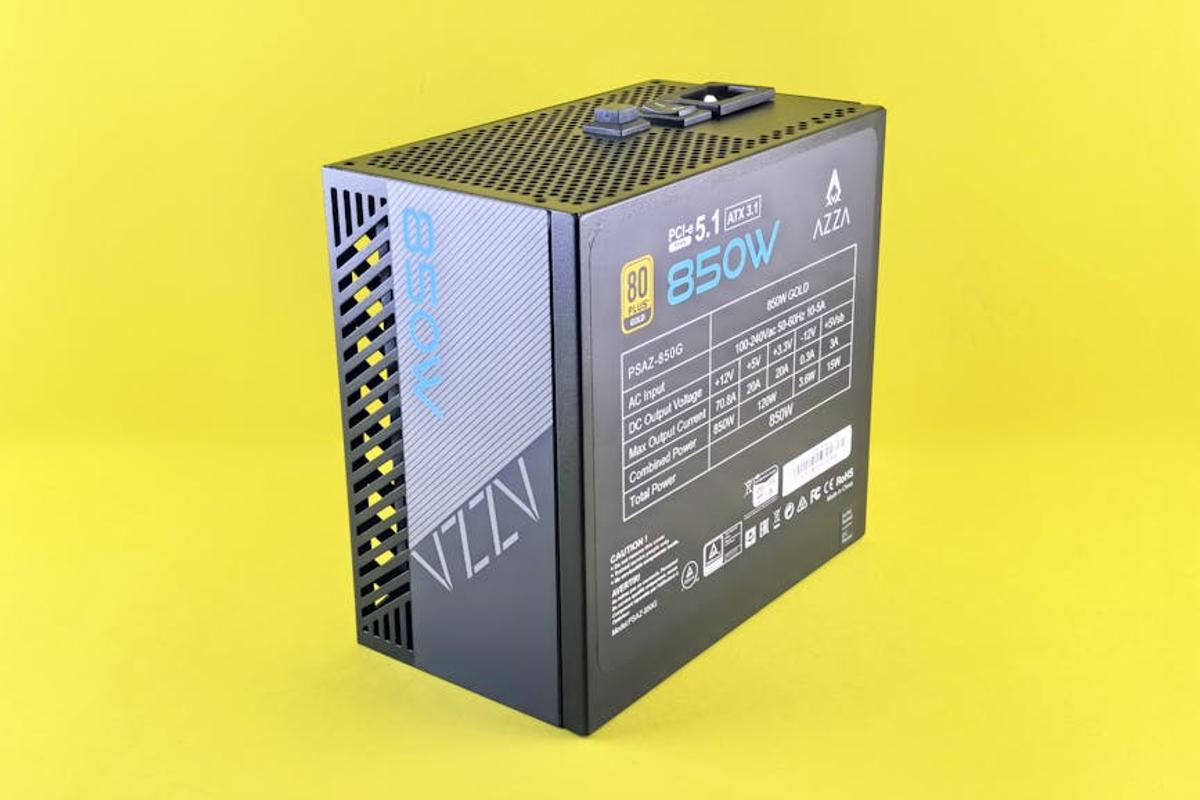
How do I choose the right power supply (PSU)?
The PSU needs to provide enough wattage to power all your components, so do your research using online PSU calculators. Ensure it matches your motherboard’s connector type.
What’s the best way to manage cables?
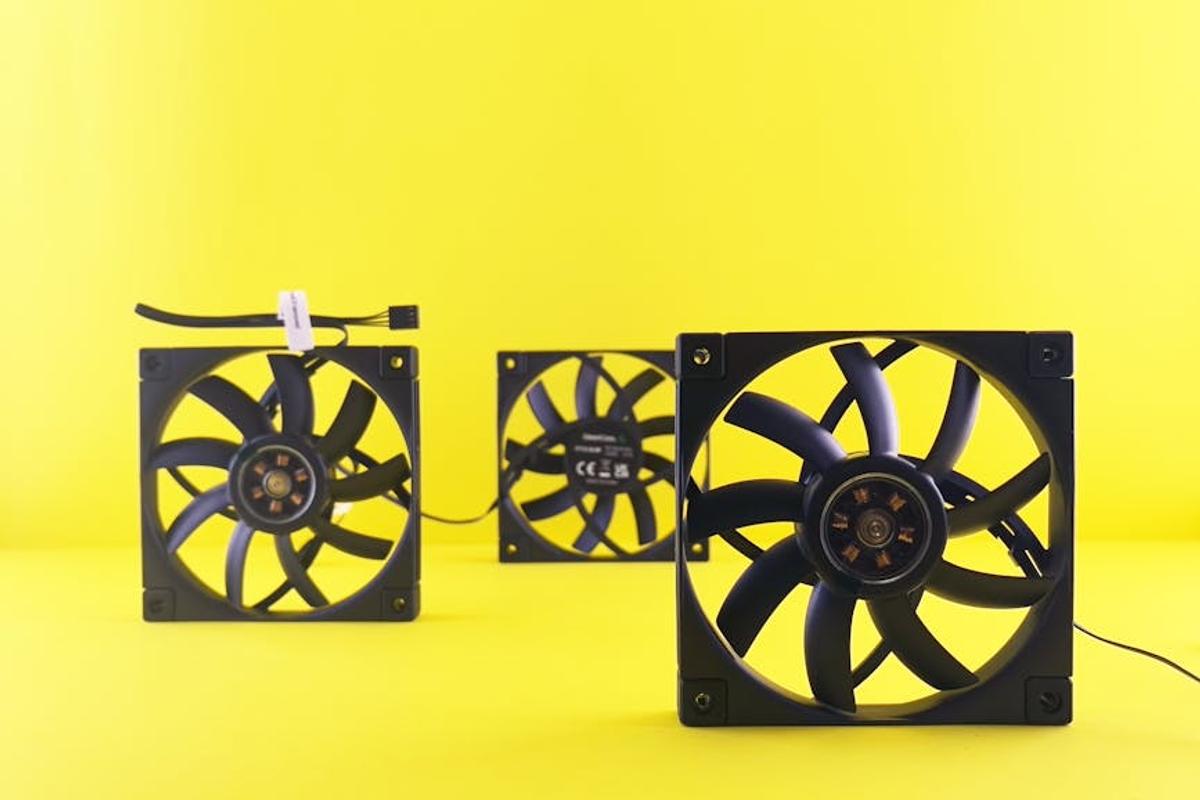
Use cable ties and routing mechanisms on your case to keep things tidy. Good cable management improves airflow, preventing overheating and ensuring better performance.
My PC won’t boot! What should I do?
First, check all your connections, making sure everything is plugged in securely. If that doesn’t work, try booting with minimal components to isolate the issue. Online forums can provide excellent troubleshooting guides.
What kind of tools do I need?
You’ll need a Phillips head screwdriver and an anti-static wrist strap to avoid damaging components. That’s pretty much it!


Leave a Reply