

AI in Insurance Claim Automation: The Future is Now
and it’s happening faster than you think, AI in insurance claim automation is transforming the industry! maybe even minutes, Forget endless paperwork and weeks-long waits; imagine claims processed in hours. That’s the power of AI.. That’s the gist.
A tiny note that matters more than it sounds: instrumentation. With data, debates end faster.
Streamlining the Claims Process with AI
identifying patterns and inconsistencies that might slip past a human reviewer, AI algorithms can analyze claims data at lightning speed. This means faster payouts and happier customers. Think about it – a car accident claim that used to take 2 weeks to process can be done in under 24 hours with AI. That’s the gist. That’s a massive improvement!.
You’ll see the same thing in public threads: an idea lands, rough edges appear, then a practical fix ships.
AI in Insurance Claim Automation: Detecting Fraud
One of the biggest benefits of AI in insurance claim automation is its ability to detect fraudulent claims. AI can analyze massive datasets to identify red flags, patterns, and anomalies indicative of fraudulent activity – something human reviewers might miss due to time constraints or simple oversight. saving insurance companies millions of dollars annually., Studies show AI can detect up to 80% of fraudulent claims. That’s the gist.
In real use, people building AI in insurance claim automation often mention small trade‑offs that only show up once traffic hits.
The Human Touch Still Matters
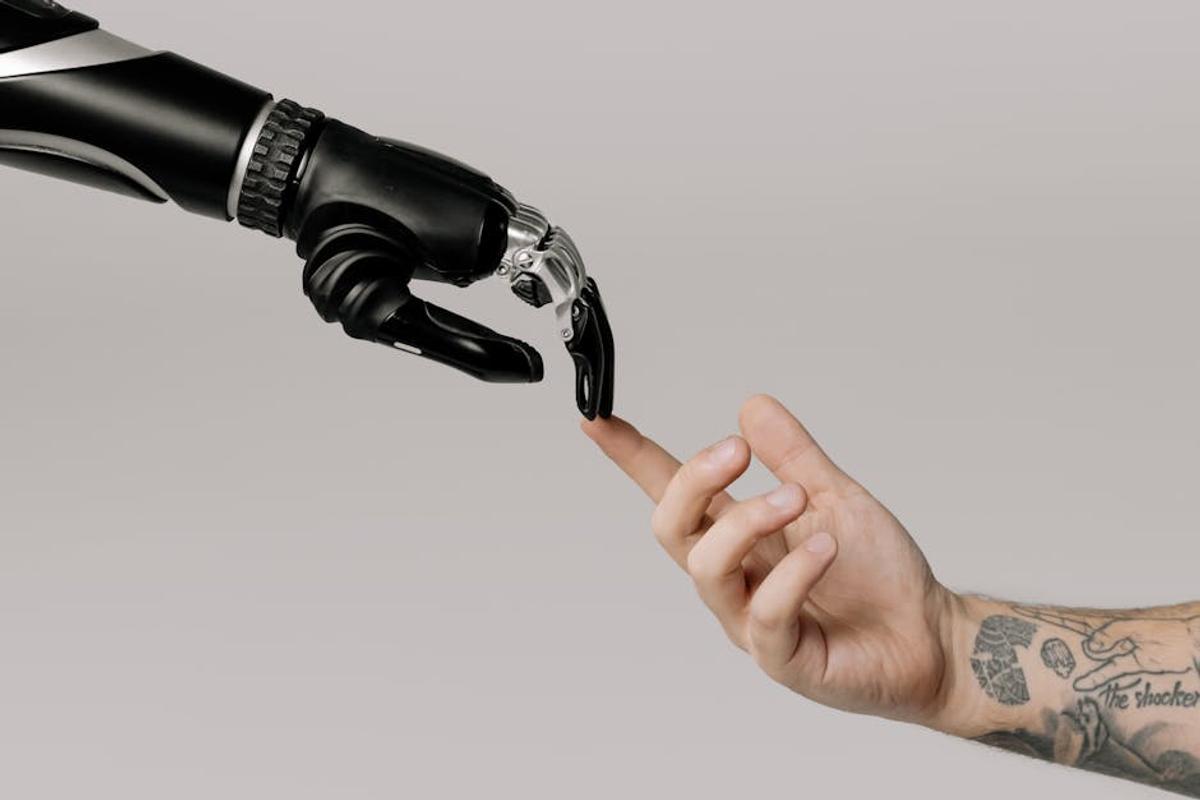
it doesn’t replace human interaction entirely, While AI automates much of the process. freeing up human adjusters to focus on complex or unusual cases that require nuanced judgment and empathetic communication, AI acts as a powerful tool to accelerate and improve efficiency. The human touch ensures fairness and personal connection.. That’s the gist.
Most teams eventually learn the same rule — simpler beats clever at 3 a.m. when something breaks.
AI and the Customer Experience
answering common questions and guiding customers through the claims process, AI-powered chatbots provide instant support. reducing frustration and enhancing the experience, This boosts customer satisfaction significantly. Automated email updates keep claimants informed every step of the way – a huge plus!. That’s the gist.
A tiny note that matters more than it sounds: instrumentation. With data, debates end faster.
The Future of AI in Insurance Claim Automation
AI in insurance claim automation is constantly evolving. As AI technology improves, so will its capabilities in claim processing. We’re looking at even faster processing times, increased accuracy, and even more sophisticated fraud detection – a future where insurance is faster, fairer, and more efficient for everyone.. That’s the gist.
You’ll see the same thing in public threads: an idea lands, rough edges appear, then a practical fix ships.
Field Notes
- Benchmarks rarely tell the whole story; real traffic patterns do.
- Trade‑offs shift over time — today’s bottleneck might vanish after one refactor.
- Docs that include failure modes save more time than perfect diagrams.
- Small utilities around AI in insurance claim automation often shape workflows more than flagship features.

FAQ
What is AI in insurance claim automation?
AI in insurance claim automation uses artificial intelligence technologies to automate various stages of the insurance claims process, from initial submission to final settlement. This speeds up processing times and reduces manual work.
How does AI detect fraudulent claims?
AI algorithms analyze vast amounts of claim data, identifying anomalies and patterns suggestive of fraud. This might include comparing claim details to past claims, checking for inconsistencies, or cross-referencing with external databases.
Will AI replace insurance adjusters?
No, AI isn’t meant to replace human adjusters but to augment their capabilities. AI handles routine tasks, allowing adjusters to focus on more complex cases requiring human judgment and empathy.
How does AI improve the customer experience?
AI-powered chatbots and automated updates provide instant support and keep claimants informed about the progress of their claims. This reduces wait times and overall frustration.
What are the long-term benefits of AI in insurance claim automation?
Long-term benefits include faster claim processing, improved accuracy, reduced costs, better fraud detection, and a more efficient and positive customer experience.
What are some examples of AI used in claim automation?
AI-powered image recognition can automatically assess damage in car accidents. Natural language processing can quickly understand the details of a claim from text submissions.


Leave a Reply